The Ghanaian Outdooring Checklist Most First-Time Parents Forget

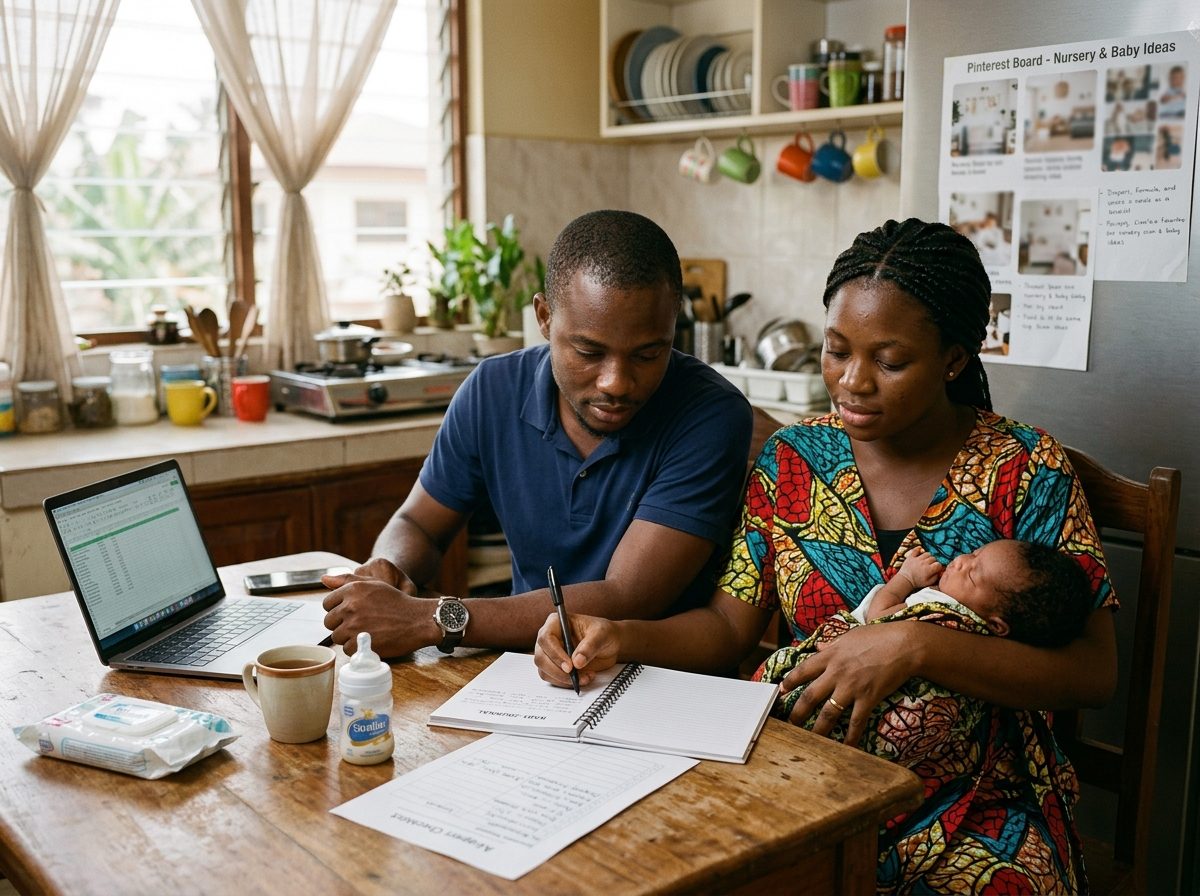
A first-time Ghanaian father called me from a hospital car park in Accra last year, the day his daughter was born. He had eight days to plan her outdooring. He had read articles online about Ghanaian naming ceremonies. He had spoken to his mother. He had even started a Pinterest board. He thought he was ready.
A first-time Ghanaian father called me from a hospital car park in Accra last year, the day his daughter was born. He had eight days to plan her outdooring. He had read articles online about Ghanaian naming ceremonies. He had spoken to his mother. He had even started a Pinterest board. He thought he was ready.
By day six, he called me again. He had forgotten about three of the things first-time parents most often forget. By that point, two of them were difficult to fix and one was impossible.
This article is the checklist I wish I had been able to send him before his daughter was born. It is the practical list every first-time Ghanaian parent should run through, ideally in the third trimester, definitely no later than the day the baby is born.
The structural pieces
These are the decisions that need to be made first, because everything else flows from them.
Decide who is performing the rites. In Akan tradition, the family head, an uncle, or a senior male relative typically performs the libation and naming. In Ga tradition, the senior aunty or grandmother often plays a central role. In Ewe tradition, the family elders preside. In other traditions, the patterns vary. Whichever applies to your family, identify the person early and confirm they are available. A first-time parent who waits until day six to confirm the elder will perform the rites is gambling on the elder's calendar.
Choose the name with intention. Ghanaian names carry meaning. The day-name. The honour-name. The Christian or Muslim name if the family uses one. The family name to pass on. Sit down with your spouse, your parents, and your in-laws to discuss the name well before the birth, because the negotiation between two families about a baby's name can take time. Couples who have not decided by the eighth day end up scrambling, and the name a baby is given in a hurry is one the family sometimes regrets.
Confirm the venue. The family compound, the parents' home, a small reception space, or sometimes the maternity ward in modern adaptations. Whichever it is, confirm the space is available, suitable for the number of guests expected, and equipped with the basic facilities — running water, seating, refreshment preparation space. First-time parents underestimate how quickly a small front room fills up when fifty relatives arrive.
Lock in the date. In most traditional Ghanaian practice, the outdooring is the eighth day. Some families are flexible. Some are strict. Some Christian families combine it with the christening on a Sunday close to day eight. Whatever your family observes, lock the date the moment the baby is born, and let everybody else know.
The administrative pieces
These are the items first-time parents most often forget.
The full guest list with contact information. Not "we will invite the family." The actual names, with phone numbers or email addresses, of everybody who needs to be invited. A first-time parent has been intentional about the eight or ten people they want there. They have not made the list of the forty extended-family members who will expect to be invited and will be hurt if they are not. Make this list before the baby is born, with the help of both sets of parents.
The diaspora list separately. Aunties and uncles abroad. Cousins who will want to be part of the day. Friends from the diaspora the parents care about. These people need extra lead time. Make this list early.
The invitation itself. A proper digital invitation page with the baby's family name, the date, the venue, the schedule, the dress code, the diaspora livestream link if applicable, the contribution channel if any. First-time parents who try to invite people one WhatsApp message at a time on the morning of the outdooring lose people. The invitation gets sent within 48 hours of the birth at the latest.
The diaspora livestream plan. A camera. A reliable internet connection. One designated family member whose job is to keep the stream running. First-time parents who think "we will figure it out on the day" end up with a stream that fails at the most important moment.
The contribution channel. If the family expects guests to contribute toward the baby's first savings or first school fund, set up the MoMo number, the bank account, or the online payment link before the invitation goes out. Guests who learn about the contribution route only on the day of the outdooring contribute less, less often, and more awkwardly than guests who are told in the invitation.
The photographer. Booked before the baby is born, not after. A professional Ghanaian photographer who knows how to handle a family ceremony, has done outdoorings before, and arrives 90 minutes early. First-time parents who try to book a photographer in the week of the outdooring discover that good Ghanaian photographers are booked weeks ahead.
The day-of pieces
These are the small things that fall through the cracks on the day itself.
The food plan. Who is cooking what. When the food is delivered to the venue. Whether vegetarian and child-friendly options are included. How drinks are being supplied. Whether non-alcoholic options are available for guests who prefer them. First-time parents often delegate this to "the aunties" without specifying anything, and end up with too much of one dish and none of another.
The keepsake plan. What guests will take home. A small printed card with the baby's name and photo. A piece of cake. A keepsake item that references the theme of the day. This is not mandatory, but it is one of the small touches that turns an outdooring from an event into a memory. First-time parents who think of it on the day cannot pull it off; it has to be planned in advance.
The thank-you plan. What happens after the outdooring. The cards, the messages, the public acknowledgements to people who contributed. First-time parents are exhausted in the week after the outdooring and almost always forget this. The result is that contributors feel unacknowledged. Plan how the thank-yous will go out before the day arrives, not after.
The archive plan. Where the photographs and videos will be kept. Whether a memorial-style page is being built for the day. Whether the diaspora aunty in Frankfurt will be sent the gallery link directly. First-time parents who do not plan this on day one often end up with hundreds of photographs scattered across phone galleries that get lost over time.
What I tell every first-time parent
The outdooring is a small ceremony, but it is the first major family event you will host as a parent. The patterns you set here, you will carry forward. The aunty who feels included now will be the aunty who flies down for your child's wedding in 30 years. The diaspora cousin who watches the livestream now will be the cousin who pays the school fees in 15 years.
The day matters more than first-time parents realise. Treat it like it matters.
Use the checklist. Plan the structural pieces, the administrative pieces, and the day-of pieces. Get the invitation out in 48 hours. Include the diaspora properly. Book the photographer early. Plan the food, the keepsake, the thank-you, and the archive.
Akwaaba — welcome. Your child's first day in the community is a day worth getting right.
VibeLink builds welcoming digital outdooring invitations for Ghanaian families. If you want to introduce your baby to the world properly, we are here.
Edmund Adjekum
Founder of VibeLink Event — building beautiful digital invitations that honour the way Ghanaian families actually celebrate. From weddings in Kumasi to memorials in London, every event deserves an invitation as thoughtful as the moment.