Launching a New Business? Why Your Event Invitation Matters More Than You Think

The boutique recovered. She built a clientele through other channels. But she lost something on launch night that took her two years to rebuild. The momentum of opening.
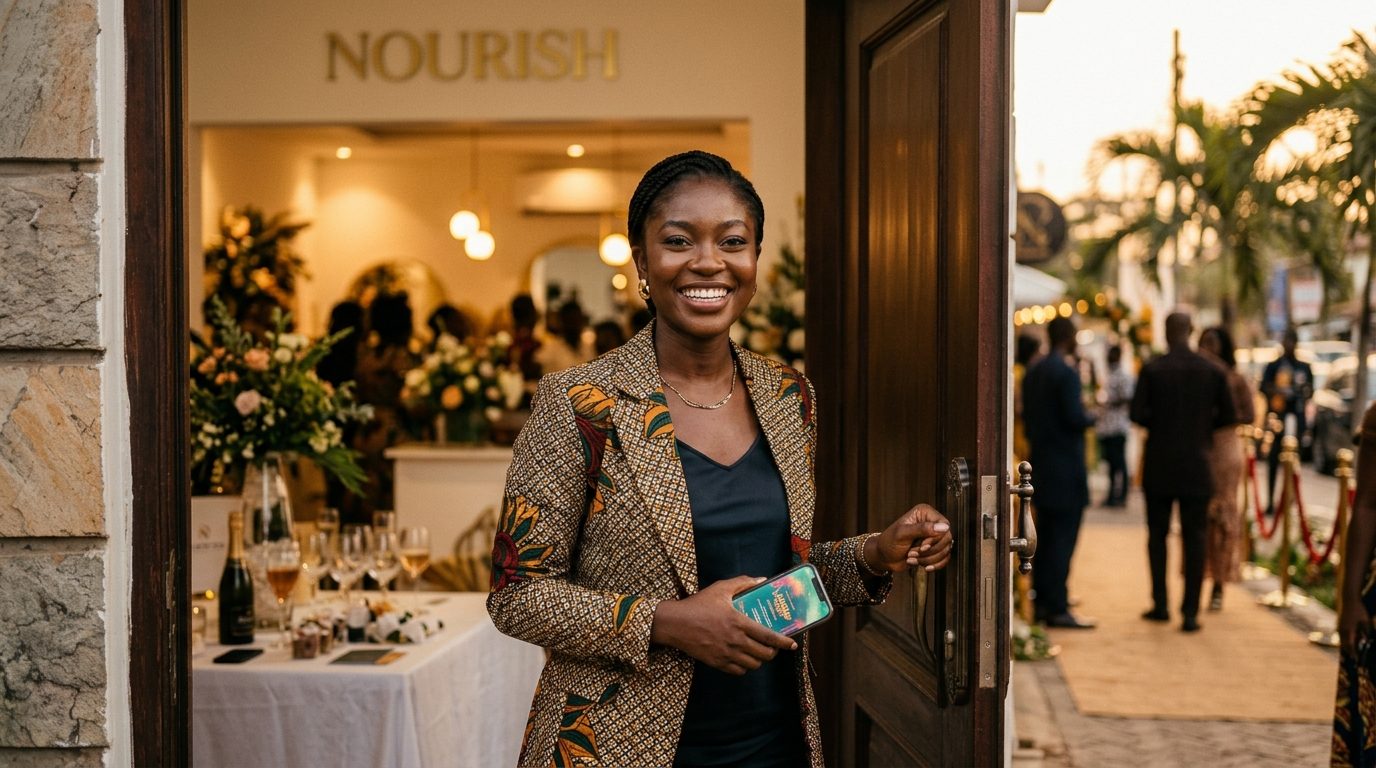
A Ghanaian entrepreneur opened her boutique in East Legon two years ago with a launch event that 28 people attended. She had invited 120. The boutique itself was beautiful. The location was right. The product line was strong. But the launch event, which she had planned as her introduction to Accra's retail scene, had under-delivered so badly that she questioned everything that came next.
When she walked me through what had happened, the failure was traceable to a single decision. She had sent the launch invitation by WhatsApp, three days before the event, as a graphic her cousin had designed for her in Canva. The invitation had not landed for any of the people she most needed to attend. Most of them had not seen it. The ones who did had not taken it seriously.
The boutique recovered. She built a clientele through other channels. But she lost something on launch night that took her two years to rebuild. The momentum of opening.
This is the warning every new Ghanaian business needs to hear. Your launch event is not just an event. It is the moment your business is introduced to the world that needs to know about it. The invitation is what determines whether that introduction is taken seriously.
Why launch invitations are different
A wedding invitation is sent to people who already know the couple. A launch invitation is sent to people who do not yet know the business. The invitation has to do work the audience has not yet done in their relationship with the brand.
It has to introduce who you are. The recipient may have heard your name in passing, may have seen you on Instagram, may know nothing at all. The invitation is often their first real encounter with what your business stands for.
It has to communicate what you have built. Not in slogans. In the visual identity, the tone of voice, the design choices that signal who your business is and who it is for.
It has to give them a reason to attend. Most launch events compete with five other things on the recipient's calendar that evening. The invitation has to win that competition with words and images that justify the time.
A wedding invitation can afford to assume context. A launch invitation cannot. It has to do more work, in less time, with no prior relationship to draw on. This is why the launch invitation matters so much, and why most new Ghanaian businesses underestimate the work it has to do.
What guests are actually deciding
When a launch invitation lands in someone's inbox, three quiet decisions are being made within the first ten seconds.
Whether this business looks serious. The invitation itself is the first piece of evidence the recipient has about whether the business has been built carefully. A polished, branded, well-designed invitation says one thing about the business. A hastily sent Canva flyer says a different thing.
Whether the launch event will be worth attending. The recipient is trying to predict the experience before they commit the evening. A well-designed invitation that communicates atmosphere, attendees, and substance gives them reason to predict a strong event. A bare announcement gives them no basis to predict anything, so they tend to predict mediocrity and decline.
Whether the recipient is being treated as someone who matters. A bulk-blasted graphic with their name not included reads as a mass invite. A personally addressed, properly designed invitation reads as a considered choice to include them. People who feel chosen attend more often than people who feel rounded up.
These decisions happen quickly. The recipient is rarely aware they have made them. But they have, and the invitation is what informed them.
What new businesses get wrong
Three patterns appear in almost every weak launch invitation I see from new Ghanaian businesses.
Sending too late. The launch invitation goes out a week or two before the event. Senior people are already double-booked. Press are already committed elsewhere. Friends-of-friends who would have come had they known earlier cannot move their calendars. The invitation that arrives late is, in effect, an invitation declined before it has even been read.
The minimum lead time for a launch invitation is four weeks. Six is better for events that need senior attendance. Eight gives diaspora friends time to plan if they are local enough to attend.
Sending generically. The same invitation goes to everyone, regardless of their relationship to the founder or the business. A potential investor receives the same message as a college friend. A trade journalist receives the same message as the founder's neighbour. Everybody feels the message was not really for them.
The fix is segmentation. The senior list gets a personally addressed, polished version. The press list gets a version with media kit attached. The friends and family list gets a warmer, more personal version. Same event, three appropriate framings.
Sending without a clear ask. The invitation announces the event and assumes the recipient will figure out the rest. Whether to RSVP. Whether to bring a plus-one. Whether to wear a specific dress code. Whether the event is the launch itself or a pre-launch teaser.
Clear invitations include the ask. Please RSVP by this date. Plus-ones welcome / by request only. Dress code: smart casual. The press conference begins at 6. The reception runs to 9. Without these clarifications, recipients default to confusion and often decline.
What strong launch invitations do differently
The new Ghanaian businesses whose launches actually fill the room get five things right.
They send four to six weeks ahead, with a save-the-date even earlier for senior guests.
They design the invitation as the first piece of brand marketing, not as a logistical announcement. The colours, the fonts, the photography, the voice all reflect what the business stands for.
They segment the audience properly. Senior guests, press, partners, friends, and family each receive a version of the invitation appropriate to their relationship with the business.
They make the RSVP clear, mobile-friendly, and easy to complete in 30 seconds. They follow up with non-respondents two weeks before the launch.
They send a reminder three days before the event, with the practical details: venue, parking, dress code, schedule. This is the touch that converts confirmed RSVPs into actual attendance.
Together, these five practices produce launch events with full rooms. The same launch, with a Canva flyer sent three days before, would have produced 28 attendees.
The bigger picture
A launch event is not just the introduction of a business. It is the first opportunity for the business to demonstrate how it operates. The people who attend the launch will form opinions about the business that they will carry for years.
If the launch is well organised, attendees assume the business is well operated. If the launch is poorly attended or poorly executed, attendees assume the business will struggle to deliver on its promises.
This perception persists. The boutique owner whose launch under-delivered had to spend two years building a reputation that her launch should have established in one evening. Most new businesses cannot afford the delay.
What I would say to every new entrepreneur
Plan your launch invitation as the first major piece of marketing your business will publish. Allocate the time and the budget accordingly. Send it four to six weeks ahead. Design it as carefully as you would design your packaging or your storefront. Segment your audience. Make the RSVP clear. Follow up properly.
The launch event will determine the first impression your business makes on the city. The invitation determines whether the launch event has the audience to make a first impression at all.
Get the invitation right, and the launch builds the momentum your business needs. Get the invitation wrong, and the launch sets you back by months.
VibeLink builds polished digital invitations for corporate events in Ghana. If your brand deserves a proper invitation, we are here.
Edmund Adjekum
Founder of VibeLink Event — building beautiful digital invitations that honour the way Ghanaian families actually celebrate. From weddings in Kumasi to memorials in London, every event deserves an invitation as thoughtful as the moment.