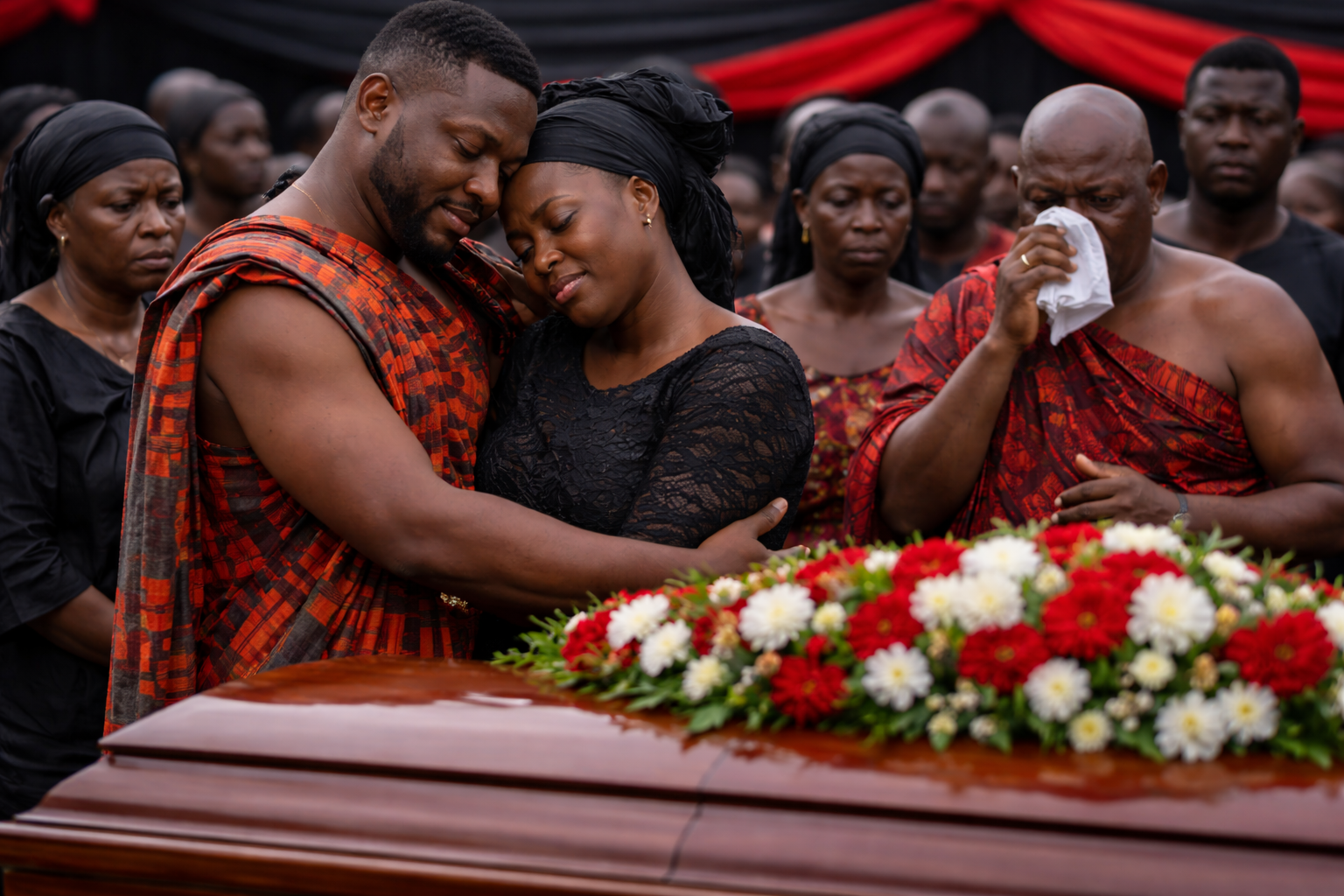
There is a Ghanaian memorial from the last two years that people in the digital memorial space still bring up in conversation. The family was prominent in their community but not famous beyond it. The deceased was a respected elder whose life had been quiet, deeply rooted, and locally consequential. Nothing about the situation predicted what happened next.
What the family built, in the days and weeks after his passing, became a small landmark in how Ghanaian families now think about honouring their dead. The memorial page they constructed reached people on four continents. It produced tributes from strangers who had never met him. It became the model that other families have quietly studied since.
I am not naming the family. They did not build this for attention, and the lessons travel better without the specific names attached. But the choices they made are worth walking through, because almost any Ghanaian family preparing to honour someone can learn from them.
The decision they made on day twoWhen the family gathered for the first planning meeting, the funeral itself was already going to be substantial. The deceased had been part of his community for over six decades. The crowd would be large. The traditional rites would be observed in full. The printed Order of Service and biography booklet were already being designed.
What they decided on day two was an additional commitment. They were going to build a memorial page that took the same care as the printed materials, but that lived on the internet, where it could reach the people the printed materials could not.
This was not a flashy decision. It was a quiet one. They had been thinking about the relatives who would not be able to fly home. The former colleagues now scattered across the world. The grandchildren still too young to understand what was happening. They wanted to build something that could speak to all of them, in their own time, in their own places.
The decision took less than an hour. The execution took the next two weeks, and the results unfolded over the following months.
The five choices that made the differenceWhat separated this memorial from the dozens of other digital tribute pages Ghanaian families have built is not technology. It is choice. The family made five specific decisions that, individually, are simple. Together, they produced something exceptional.
They wrote the obituary as if it would be read by strangers
Most Ghanaian obituaries are written for the family who already knows the deceased. This one was written for the world. It explained who the man was, where he came from, what his life meant in the Ghanaian context, what he had built. A reader in Toronto who had never met him could open the page and, by the time they finished reading, feel they understood something real about him. This single decision opened the door for the reach that followed.
They chose the photograph with extreme care
A single portrait, full frame, taken years earlier when the deceased was still in full vigour. The expression was characteristic, the eyes were clear, the dignity was present. The family had hundreds of photographs to choose from. They spent a full afternoon picking one. That one image became the face of the memorial across every share, every social post, every tribute.
They asked the family to contribute tributes in writing
Not collected on the day. Collected in the two weeks between the death and the funeral. Each family member, each close friend, each former colleague who wanted to participate was asked to write a few paragraphs about what the deceased had meant to them. The contributions were edited gently for clarity, then collected on the memorial page as a section of personal tributes. By the day of the funeral, there were over sixty written tributes from people across three continents.
They opened the condolence book to anybody who arrived at the page
Not just relatives. Anybody who felt moved to leave a message could. They posted no link in any public space — they only shared it with family and trusted contacts — but the link travelled, as good content does, through the natural networks of grief. Within two months of the funeral, the condolence book had received over four hundred entries, including dozens from people who had never met the deceased but had been moved by what they read about him.
They built the page to last
Not as a temporary funeral artefact. As a permanent memorial. The family committed to maintaining the page indefinitely. They added photographs from the funeral itself. They added the eulogies, transcribed. They added a short video edit of the burial procession. The page became a small archive of his life and of the day, available to anybody in the family for as long as the internet exists.
These five decisions are not technical. Any Ghanaian family could make the same five choices. Most do not. The families that do produce memorials that reach the world.
What happened in the months afterThe reach of the memorial unfolded gradually. In the weeks after the funeral, the page was being opened by relatives and friends as they processed their grief. Some came back five or ten times. The page sat with them.
Then the page began to be shared. A diaspora cousin shared it with her colleagues in Toronto. A former neighbour sent it to friends back in Kumasi. A retired teacher who had taught the deceased's children sent it to her former students. The reach widened in small concentric circles.
By six months, the page had been visited by over twelve thousand people from forty-three countries. By a year, the condolence book had over a thousand entries. The family received personal letters from former students of the deceased that they had never known about. They received contributions toward a small scholarship fund they had quietly set up in his name. The memorial had become a living thing.
The deceased had spent his life in a community of perhaps fifteen thousand people. His memorial had reached a community ten times that size, scattered across the world.
What this teaches every Ghanaian familyThe lessons from this memorial are not about reach for its own sake. The reach was not the goal. The lessons are about what a properly built memorial can become when the family makes the right choices early.
A funeral page does not have to be a formality. It can be a tribute. A tribute does not have to fade after two weeks. It can become an archive. An archive does not have to be private. It can be shared with the world. Sharing it with the world does not diminish its dignity. It extends it.
The family who built this memorial did not have unusual resources. They did not have unusual connections. They had the same choices any Ghanaian family has when planning a funeral. The difference was that they made different choices.
The obituary written for strangers. The photograph chosen with care. The tributes collected in advance. The condolence book opened to anyone. The commitment to permanence.
Any family preparing to honour someone right now can make these five choices. The technology is available. The cost is modest. The dignity is the same as it has always been in Ghanaian funeral tradition. What is added is reach.
What I would say to families considering thisYou do not have to be famous to build a memorial that reaches the world. You have to be intentional.
Write the obituary as if a stranger will read it. Pick the photograph with care. Collect tributes in writing in the weeks before the funeral. Open the condolence book to anyone who finds the page. Build the memorial to last.
These five choices, made together, produce something extraordinary. They have been made by a small number of Ghanaian families in the last few years. Each of those memorials has reached further and lasted longer than the families expected.
The grief is heavy. Honouring the deceased fully is one of the few things that lightens it. The memorial that reaches the world is built for the dignity of the person being honoured, not for the size of the audience. The audience comes because the dignity is real.
VibeLink builds dignified digital memorial pages for Ghanaian families.
If your family is preparing to honour someone, we are here.
Found this useful? Share it