How Ghanaian Churches Are Filling Their Pews Again — One Event at a Time

He had tried sermons on commitment. He had tried discipleship programmes. He had tried small groups. The attendance numbers had not changed.
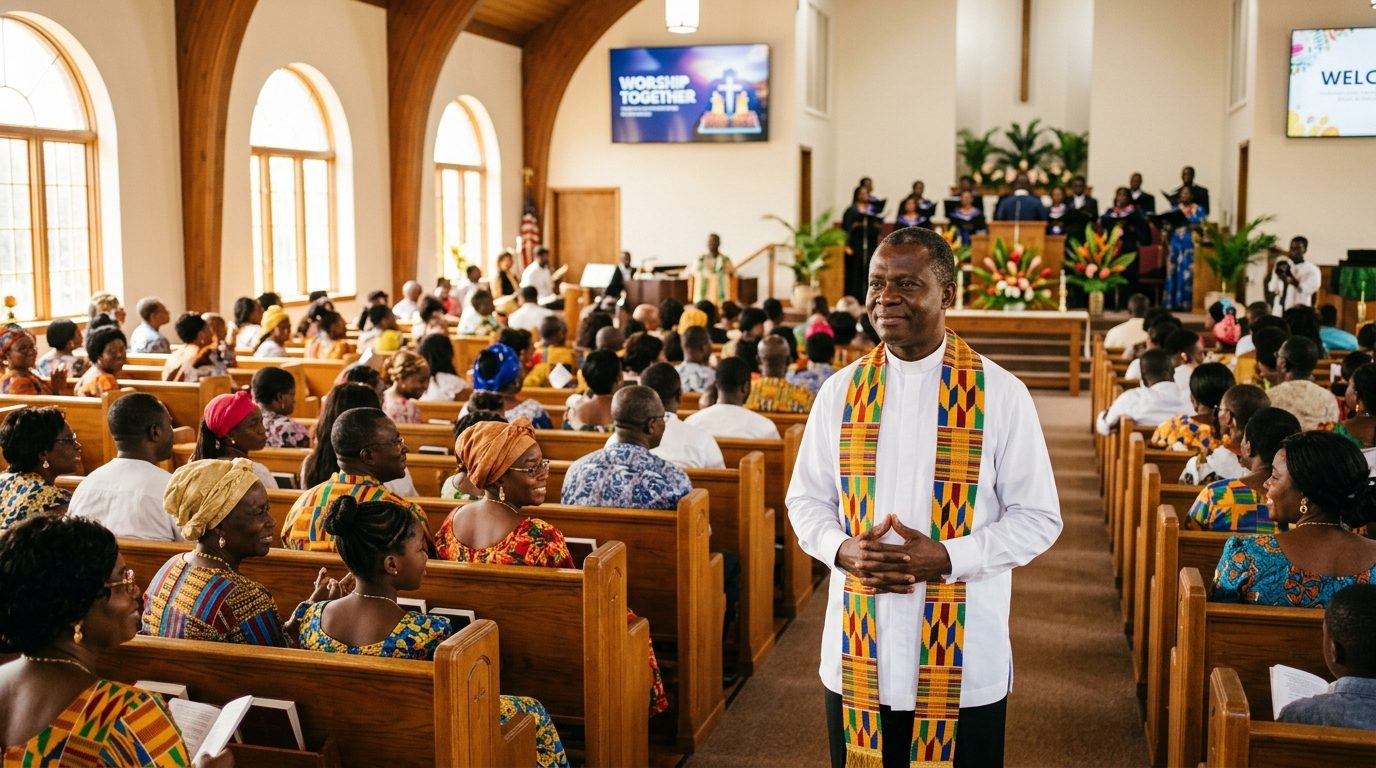
A pastor in Tema told me last year that his Sunday attendance had been declining slowly for almost a decade. The congregation he had served for twenty years had drifted. The young people had left for new churches. The middle-aged members had become irregular. The elders had aged out of regular attendance. By 2024, his Sunday services were holding at about 60 percent of what they had been in 2015.
He had tried sermons on commitment. He had tried discipleship programmes. He had tried small groups. The attendance numbers had not changed.
Then in mid-2025 he tried something different. He started treating his church's events differently. He began to plan and announce each event — harvest, anniversary, watch night, mid-year prayer — the way a serious organisation would plan its public communications. Within six months, his Sunday attendance had grown by 20 percent. Within a year, his church had baptised more new members than in the previous three years combined.
This is not a unique story. A quiet movement is happening across Ghanaian churches that have decided to take their event communication seriously. The pews are filling again. The growth is not coming from new programmes or different sermons. It is coming from how the churches are inviting people.
This article walks through what is working.
Why the old approach stopped working
For decades, Ghanaian church growth followed a predictable pattern. Family connections brought new members. Word-of-mouth in the neighbourhood brought new members. Visiting evangelists brought new members. The annual harvest brought back lapsed members.
This pattern worked when communities were stable. People lived in the same neighbourhood for decades. Family members attended the same churches across generations. Word-of-mouth circulated quickly in tight social networks.
In 2026, these conditions have changed. People move cities for work. Young adults choose churches independently of their parents. Family attendance patterns fragment across siblings. Word-of-mouth competes with hundreds of other signals for attention.
The churches that have continued to grow have learned to communicate in ways that match the new conditions. The churches that have continued the old approach have continued to decline.
What growing churches are doing differently
I have visited or studied dozens of Ghanaian churches that are actively growing right now. They share five practices.
They treat every event as an opportunity to reach beyond the existing congregation. A harvest is not just for current members. A church anniversary is not just for the people who already attend. An ordination is not just for the existing fellowship. Every event is planned with three audiences in mind: current members, lapsed members the church wants to reach back, and new visitors the church wants to welcome.
This shift in framing changes how the event is announced. The communication is built to reach the second and third audiences, not just the first. Current members are reached easily through the existing channels. Lapsed and new audiences require a different approach.
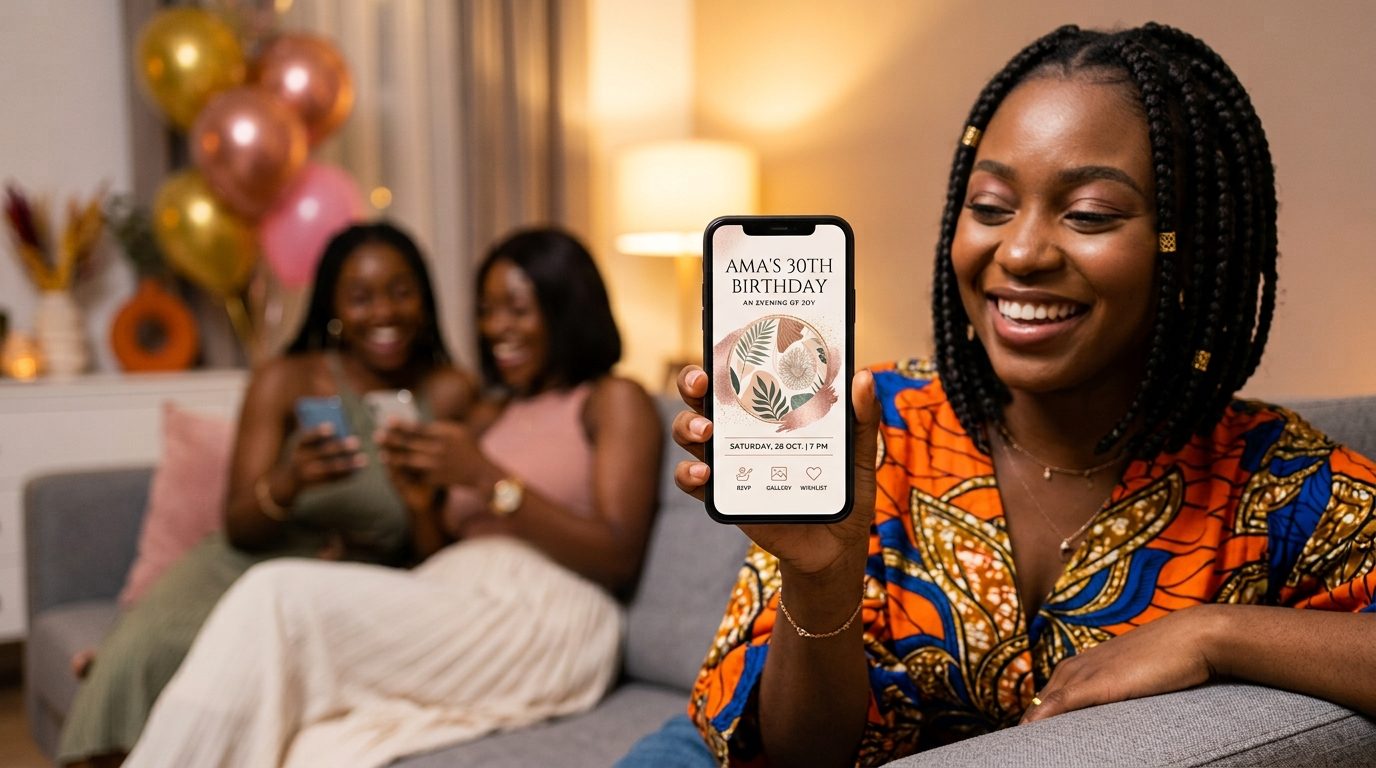
They send shareable invitations members actually forward. A bulletin announcement is not shareable. A noticeboard flyer is not shareable. What growing churches send instead is a properly designed digital invitation page that a member can forward to a friend in 30 seconds. The friend opens the link and sees a real invitation, not an internal announcement.
When current members can easily share invitations with their networks, the church's events reach people who would never have been invited through traditional channels. A young professional invites two colleagues. An aunty forwards the link to her three diaspora cousins. A teenager shares it in a school WhatsApp group. The reach multiplies without the church's communications team doing more work.
They plan a year of events as a coordinated communication strategy. Forgettable churches plan events one at a time. Growing churches plan the year as a sequence. The harvest follows the watch night. The mid-year prayer feeds into the anniversary. The new year service references back to the harvest's commitment.
This continuity matters. Visitors who attend one event learn about the next. The church becomes a series of meaningful moments rather than a series of isolated services. Visitors who came for the harvest return for the watch night because they were invited properly during the harvest itself.
They follow up on every event. A visitor who attends a Ghanaian church event for the first time and then receives nothing afterwards is unlikely to return. A visitor who receives a thank-you within a week, an invitation to the next major service, a small piece of follow-up that acknowledges they were present is significantly more likely to return.
This follow-up does not have to be elaborate. A short personal message from a church member is enough. The point is that the relationship continues beyond the event itself.
They give the diaspora a way to participate properly. Most Ghanaian churches now have meaningful diaspora congregations. Brothers in London. Sisters in Toronto. Aunties in Atlanta. These members want to remain connected to their home church. The growing churches build infrastructure for this. A reliable livestream of major services. A way to send tithes and offerings online. A digital community that includes the diaspora alongside the local congregation.
When the diaspora is included properly, they continue to send their children home for important services, they bring relatives back to Ghana for special occasions, and they contribute meaningfully to the church's finances throughout the year. When they are not included, they drift to churches in their own cities, and the home church loses them.
What this looks like in practice
The pastor in Tema I mentioned earlier did all five of these things over the course of 2025.
He treated his August harvest as a reach-out moment. He sent a polished digital invitation to current members and asked them to share with anyone they could. The page included a livestream link for the diaspora, a clear RSVP, and a contribution channel. Three weeks later, his harvest attendance was 30 percent higher than the previous year, and the contributions were 60 percent higher because the diaspora had given through the new channels.
He followed up with every visitor by name within seven days. He invited them back for the church's anniversary service in November.
The anniversary brought back 40 percent of those visitors plus another wave of new ones, brought in by members who had now seen what proper invitation communication could do.
The watch night service on 31 December had the highest attendance the church had recorded in eight years.
By the time the harvest of 2026 came around, the church was running multiple services on a Sunday for the first time in a decade.
None of this came from new sermons or different programmes. It came from treating the church's events as opportunities for proper communication and reach.
What growth looks like in numbers
Across the churches I have observed adopting this approach, the patterns are consistent.
Attendance at major events grows by 25 to 40 percent in the first year. Returning visitor rates from major events to regular Sunday services run between 8 and 15 percent. Annual giving grows by 20 to 50 percent, depending on how well the digital contribution channels are integrated.
These are not small numbers. For a church of 200 regular members, a 25 percent attendance growth means an additional 50 people in the building, which dramatically changes the atmosphere of worship and the financial position of the church.
What I would say to every pastor and church leader
If your church is not growing, the answer is not necessarily new programmes or different sermons. The answer may be that the way you are communicating your events is not reaching the people you want to reach.
Pick your next major event. Plan its announcement the way a serious organisation would plan its public communications. Build a shareable digital invitation. Ask your members to share it. Welcome the visitors well when they come. Follow up afterwards. Plan the next event in continuity with this one.
Within a year, the pews will look different.
This is not about technology replacing tradition. It is about the church's communication keeping pace with where its people actually are.
Aseda — thanksgiving. The fellowship can grow again. Build the invitation and the invitation will build the church.
VibeLink builds professional digital invitations for church events in Ghana. If your congregation deserves a proper invitation, we are here.
Edmund Adjekum
Founder of VibeLink Event — building beautiful digital invitations that honour the way Ghanaian families actually celebrate. From weddings in Kumasi to memorials in London, every event deserves an invitation as thoughtful as the moment.